
The easy win for video content creation isn’t AI. It’s this.

In a world obsessed with automation and artificial intelligence, marketers are being sold the dream that AI can do it all, including video content creation.
But let’s be honest: while AI can assist, it’s not yet capable of delivering the kind of strategic, authentic, and scalable video content that brands actually need.
The real win?
Productization – a smarter, more sustainable approach to creating video content that performs, scales, and saves your sanity.
As someone who’s worked across martech stacks and creative workflows, I’ve seen firsthand how chasing the latest tech trend can lead to wasted time, bloated budgets, and underwhelming results. This blog is here to cut through the hype and show you what actually works.
Agenda
• Why AI isn’t ready for full video content creation Limitations of current AI video editing tools
• Where AI can assist in video creation but not lead the strategy
• Understanding productization in video marketing What video productization means and why it matters for content strategy
• Who benefits most from productized video workflows especially global enterprises
• The power of content pillars and scalable video formats How to identify your strongest content themes for video marketing
• Matching content pillars with scalable video formats for consistent output
• Real-world examples of productization in action Strategic advantages of productized video content over AI-only solutions
• Long-term impact on ROI, brand consistency, and creative control
• Final thoughts: what marketers should prioritize in video strategy Avoiding burnout through smart video production systems
Why AI isn’t ready for full video content creation
While making images move with AI video tools may seem easy, cost-effective, and even exciting, the idea that artificial intelligence can autonomously produce usable, strategic video content to fill your calendar (which constantly drains your creativity, budget, and sanity) is still a stretch.
The truth is: despite the hype, there are clear limitations of AI when it comes to full-scale video content creation.
Yes, we’ve explored AI-generated visuals too, but the real opportunity lies in creating authentic, story-driven content that actually connects.
Modern AI video tools are impressive, but they’re not autonomous. They require heavy prompting, human oversight, and creative direction.
Take Genspark’s Clip Genius for example. It promises to edit any video with a single prompt and yes, it can cut highlight reels, stitch together podcast moments, and assemble gaming montages. But behind the scenes, it’s a lot of work.
The founder’s own breakdown of how he prompted the AI to create a final video shows just how much manual input, iteration, and refinement is still required. This is a perfect illustration of the limitations of AI in video content creation as it’s not plug-and-play, and it’s certainly not hands-off.
That said, there are areas where AI-assisted video production can shine:
• Voiceovers & editing : Tools like Descript’s AI co-editor “Underlord” streamline post-production with auto-captioning, smart cut tools, and voice generation. Explore here.
• Audio-to-video conversion : Jupitrr’s latest feature lets you upload an MP3 and instantly generate a social-ready video with hooks, B-roll, subtitles, and emojis. See below:
• Digital asset management : MediaValet’s AVI-powered DAM system uses face recognition to tag and organize video assets, great for large-scale content libraries. Read here.
But even with these AI video tools, the storyboard , the vibe , and most importantly, the key message you’re trying to convey still require human creativity. AI can’t yet grasp brand nuance, emotional tone, or audience psychology. And let’s not forget the uncanny valley of AI-generated faces though thankfully, they now have 10 fingers instead of 12.
This is exactly why clients should consider AI-assisted solutions , not DIY AI. The value isn’t just in the tech, it’s in the human layer that knows how to prompt, guide, and polish the output. When onboarding AI creators, this distinction becomes critical. We’re not just using AI, we’re orchestrating it.
As a content marketer and content strategist myself, I get it. We’re always on the lookout for the best martech to streamline the mundane and dreadful parts of our wonderfully chaotic jobs. Technology is still very much needed and frankly, not explored enough. AI is a powerful tool, but relying on it for full-scale video strategy is like using enterprise software for a one-line spreadsheet. There’s a better fit for the job, structured, scalable video content creation.
And that tool is productization , a structured, scalable approach to video creation that blends human creativity with smart tech. More on that next.
Understanding productization in video
If you’re exploring tech for video content creation, you’re likely a business with a growing demand for video which, frankly, should be every company today. But the organizations that benefit most from productization in marketing are enterprises with regional or global coverage , especially those managing an editorial calendar that spans multiple markets, languages, and audience segments.
So what exactly is productization?
Productization in marketing refers to the process of transforming a creative service like video production into a repeatable, scalable, and systematized offering. Instead of reinventing the wheel every time you need a new video, you build a video content creation workflow : a base format, a proven structure, and a set of creative assets that can be adapted, localized, and deployed across different markets with speed and consistency.
It’s not about making cookie-cutter content. It’s about creating a core video asset that’s strong enough to be repurposed without losing its impact. This approach enables teams to produce scalable video content that maintains brand integrity while meeting the demands of diverse audiences.
Understanding it through translation workflows
Think back to how businesses approached translation before localization platforms became mainstream. If you only needed one piece of content for a single audience, hiring a freelancer or one-off provider was fine. But once you started needing multiple versions of that content across regions, languages, or verticals, you couldn’t afford to start from scratch every time.
You needed a system. A workflow. A way to translate at scale without compromising quality or brand voice.
Video productization works the same way.
If you’ve already been using translation services, that’s a clear sign you need variations of your content for different audience segments. And each segment requires something tailored not just to their taste, but simply so they can understand you. Cultural nuance, tone, format preferences, and even platform behavior all play a role.
So instead of producing 10 separate videos from zero, you produce one master version , then adapt it by region, by language, by audience type. You swap out voiceovers, update visuals, reframe messaging, and adjust pacing. The result? A suite of localized, audience-specific content that feels custom but was built efficiently through a smart, scalable video production workflow .
The power of content pillar strategy and format pairing
You might think there’s no way or no point to productize your videos. But beyond the obvious benefits of scalability , cost-efficiency , and peace of mind , there’s a deeper content marketing advantage:
Productization helps you maximize and propel your efforts into exponential performance.
Here’s why:
• You’re not just creating more content, you’re building a repeatable content strategy that drives results.
• You’re able to test scalable video formats , messages, and visuals across markets and learn what resonates.
• You create a feedback loop that improves your core asset over time.
• You reduce creative fatigue and free up your team to focus on innovation, not constant reinvention.
I absolutely agree with this POV:
Think about cars, we don’t all drive custom-built vehicles because it’s expensive. Yet when brands think about video, they often assume they need to tailor-make and reinvent every time. That leads to pricey quotes and a workflow that’s hard to monitor for ROI.
The common mistake? Throwing pasta at the wall.
Smart content marketers know it’s all about a content pillar strategy , a tested framework that generates accumulating growth through consistent learning and experimentation. And that experimentation isn’t about reinventing the wheel. It’s about paying attention to the details and optimizing what already works.
If I asked you today, “Which of your content performs best?” you might name a series, a topic, or a format. But that’s the wrong answer.
The content that performs best should be your top-performing content pillar , your reliable, open-ended topic that consistently secures your branding, key message, and audience engagement.
When paired with the right scalable video formats , that’s where consistent experimentation thrives and performance compounds.
Internal and external storytelling
If you’ve already established your content pillars and know which one performs best, the easiest and most time-saving way to exponentially increase impact is to repurpose what’s worked using a repeatable content strategy .
For example: say your expert insights pillar drives your marketing KPIs. We’ve all been there: Experts are hard to book, they don’t see the value, and they think they don’t have much to say. Suddenly, your most effective pillar starts to fade.
Solution? Match that content pillar with a scalable video format that extends its reach and engagement. Milk the most out of that single asset. Not only does it help you justify its value, but it also builds a reference point to get the next expert interested in contributing.
Real-world examples of productization in action
Let’s say you have a single footage of your leadership discussing the latest trends and reports. You publish it once and it’s gone. But with a video productization approach, that same footage can be transformed into multiple assets, tailored for different audiences, platforms, and use cases. This is where video productization vs AI becomes clear: AI might help automate fragments, but productization delivers strategic, scalable impact.
Here’s how leading brands are using productization to drive ROI in video marketing while maintaining brand consistency across global campaigns:
Amazon: Scaling product stories
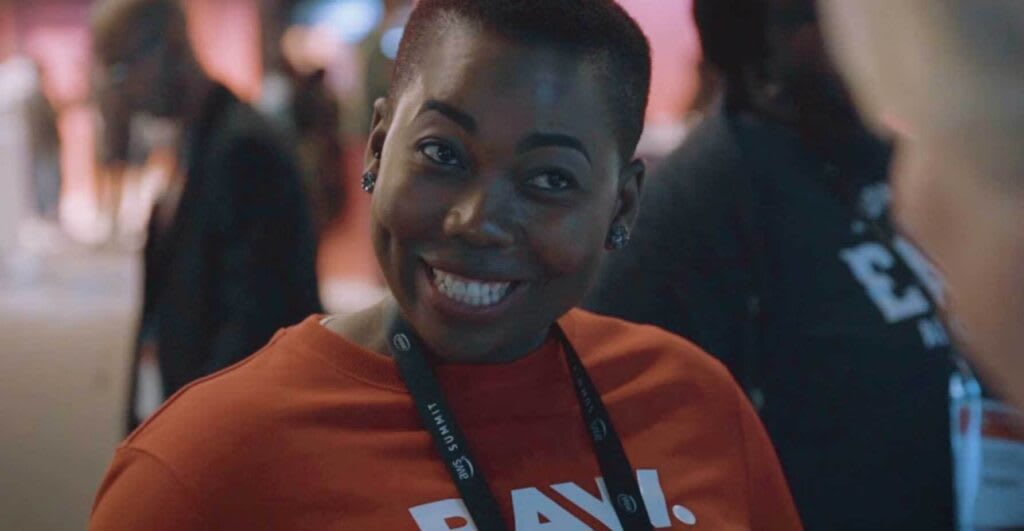
Amazon needed localized product videos for different markets. Instead of building in-house teams, they used 90 Seconds to produce tailored content in multiple languages and formats. This approach delivered scalable ROI in video marketing , allowing Amazon to launch across global channels without compromising quality or speed.
Microsoft: Thought leadership at scale

Microsoft needed executive and partner content. With 90 Seconds, they created polished interviews and event coverage that felt intimate yet professional. The content was repurposed across blogs, social, and internal decks showcasing how video productization vs AI leads to more strategic reuse and stronger brand alignment.
Cisco: Overcoming global logistics
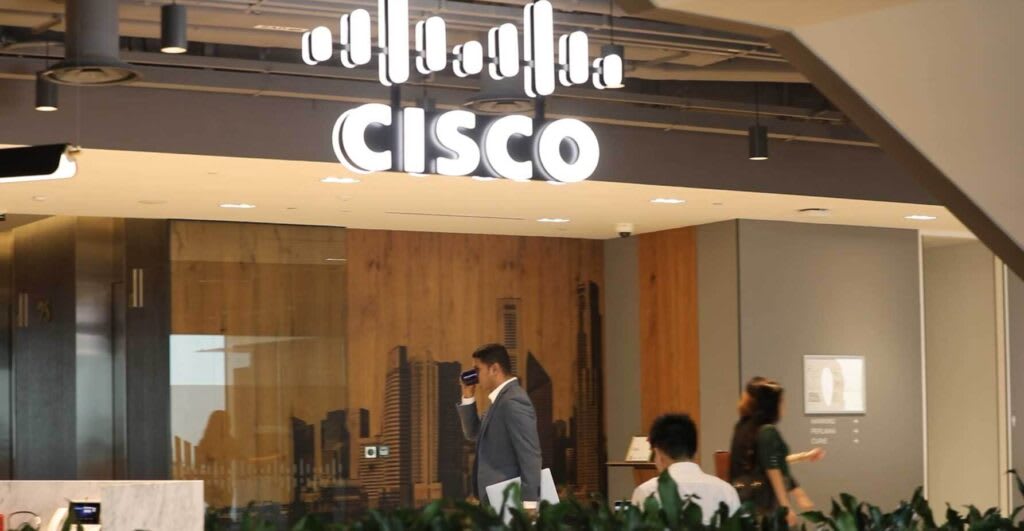
Cisco needed consistent video content across 15 cities. With 90 Seconds, they avoided vendor chaos and timezone juggling. Our platform handled everything from vetting creator partners to delivery so their team could focus on strategy. The videos unified their global brand story, demonstrating how video productization can outperform fragmented AI workflows in maintaining brand consistency .
Torrens university: Transforming education

Torrens needed to showcase student experiences across multiple campuses. Instead of flying a crew around Australia, they tapped into 90 Seconds’ local creator network. The result? Authentic voices, fast turnaround, and content now used across admissions, social media, and internal comms focused on maximizing ROI while preserving the university’s brand tone.
PayPal: Fast turnaround, global reach

PayPal had a tight deadline for a multi-region campaign. We activated our creators in-market, shot content simultaneously, and delivered final assets in under a week. The videos helped drive engagement and conversions, proving that a productized workflow delivers measurable ROI in video marketing without sacrificing speed or brand integrity.
In short, productization isn’t just a video creation model, it’s a content strategy . It’s how you scale without sacrificing quality. It’s how you stay agile without losing control. And until AI can truly understand your brand, your audience, and your goals, productization remains the smarter, more sustainable path forward .
Strategic advantages
• Repeatability without repetition Productization allows you to build a master video format that can be adapted across markets, audiences, and campaigns. You’re not starting from scratch each time you’re starting from strength.
• Creative control with operational efficiency AI can generate clips, voiceovers, and even edit sequences, but it doesn’t understand your brand tone, emotional cues, or strategic messaging. Productization keeps the creative vision intact while streamlining execution.
• Scalable localization Just like translation workflows, productized video content can be localized efficiently by swapping out voiceovers, visuals, and messaging while maintaining brand integrity. This is especially powerful for global enterprises with regional marketing needs.
• Cross-Functional Alignment A productized approach creates a shared language between marketing, creative, and operations teams. Everyone works from the same blueprint, reducing friction and accelerating delivery.
Long-term impact on ROI and brand consistency
• Higher ROI through reuse Instead of investing in one-off productions, productization lets you amortize creative costs across multiple assets. One shoot can yield dozens of variations, each tailored, each purposeful.
• Brand consistency at scale AI-generated content often lacks brand fidelity. Fonts, colors, tone, pacing, these details matter. Productization ensures every video reflects your brand’s identity, no matter where or how it’s deployed.
• Faster time-to-market With a productized system in place, you can respond to market changes, campaign needs, or internal requests with speed without compromising quality.
• Data-driven optimization When you build content from a consistent framework, you can track performance across variations, learn what works, and refine your master asset over time. This creates a feedback loop that improves both creative and strategy.
Final thoughts: What marketers should focus on?
Let’s be honest: marketers are already stretched thin. Between campaign launches, stakeholder alignment, performance tracking, and the constant pressure to “do more with less,” adding another unpredictable task to the mix especially one that can’t be batched or streamlined, is a recipe for burnout.
As highlighted in this insightful martech article here. Marketers need to be ruthless about what they don’t do. Every new tool, channel, or trend that promises efficiency but delivers complexity should be scrutinized. If it doesn’t scale, doesn’t integrate, or doesn’t align with your core strategy, it’s a distraction. This is where avoiding burnout becomes not just a wellness goal, but a strategic imperative.
That’s why video productization matters.
Instead of chasing one-off video ideas or scrambling to brief new vendors every time, productization gives you a repeatable structure. You know what works, you know how to adapt it, and you know how to measure it. It’s the foundation of a high-performing video strategy , one that’s built to scale, not stall.
Here’s how productization supports both performance and sanity:
• Batch creative work into scalable frameworks that reduce friction
• Reduce decision fatigue by working from proven templates and workflows
• Delegate with confidence , knowing the system will deliver consistent results
• Free up mental space for strategic thinking, innovation, and audience engagement
Building a repeatable, high-performing video strategy
Whether you’re focused on thought leadership, employer branding, or external communications, the goal isn’t just to produce more content, it’s to produce better content, more consistently .
And that doesn’t come from brand colors or fonts alone. It comes from:
• A consistent format that reinforces your message across touchpoints
• A content pillar strategy that aligns with your audience’s needs
• A content creation workflow that supports marketing automation and scale
AI tools can assist, but they’re not yet capable of owning this strategy. They can generate clips, transcribe interviews, or suggest edits, but they can’t understand your brand’s voice, your audience’s context, or your campaign’s goals.
That’s why my bet remains firmly on video productization . It’s not just the smarter choice, it’s the sustainable one. It helps you protect your team’s energy, preserve your brand’s integrity, and build a content engine that actually performs.
Interested in learning more? Get in touch today.

90 Seconds
Content Team