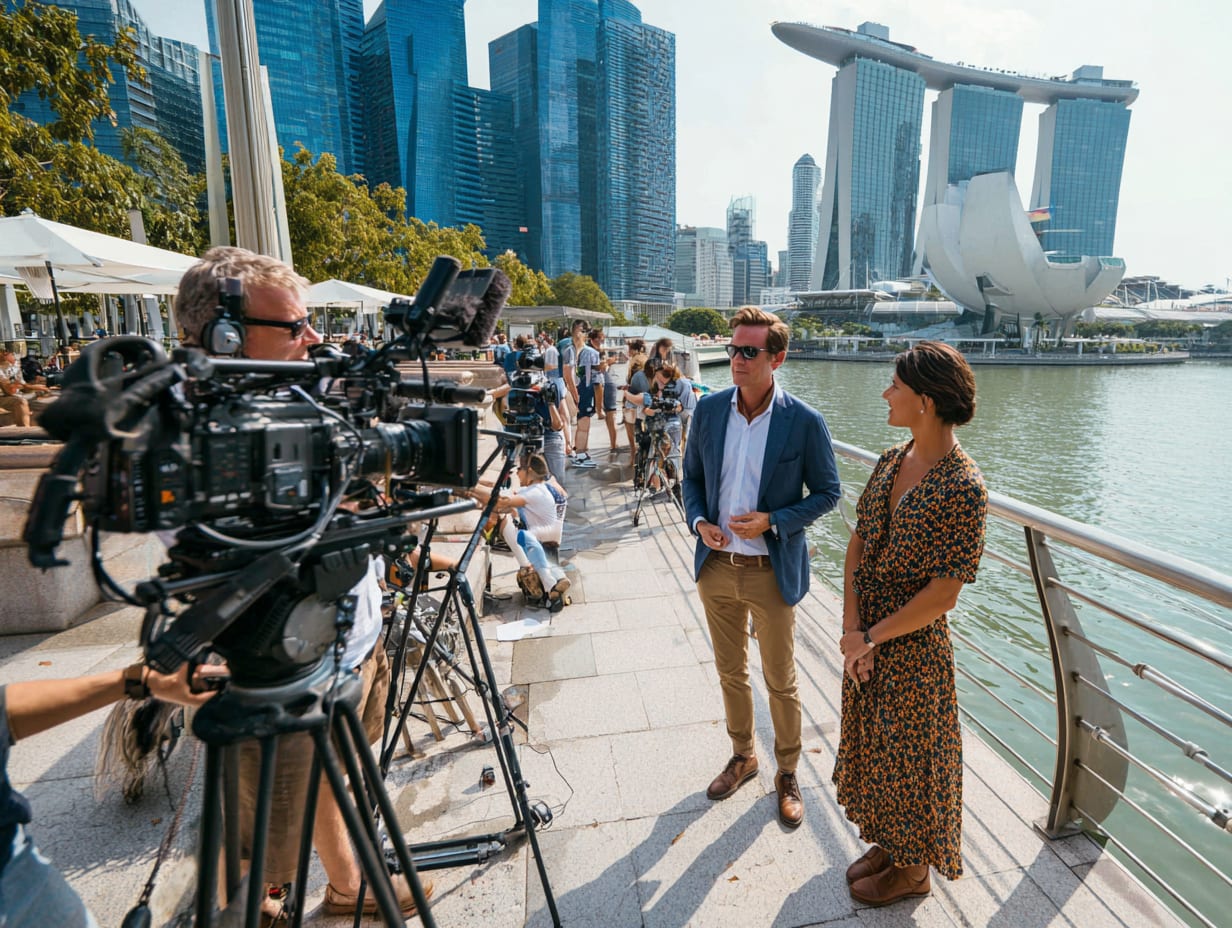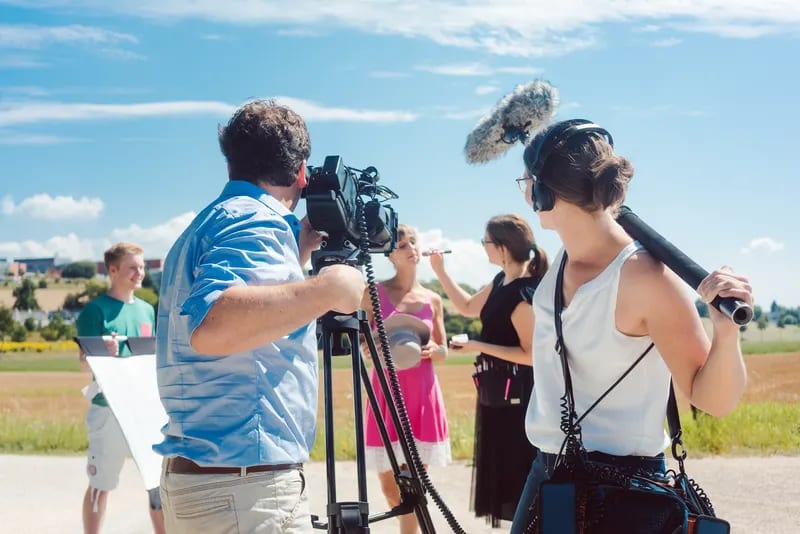
One event, a quarter of content

Your team spent 6 months planning the event. The keynote landed, the booth buzzed, the speakers delivered. Then the footage went to an editor, came back as a 3-minute recap, got posted once, and died in a folder. If that sounds familiar, you are not alone. It is the default way most brands handle event video, and it wastes the single richest content opportunity on the marketing calendar.
Event video content strategy is the discipline of planning capture before the event so that one shoot produces a full quarter of content: keynote cuts, speaker clips, attendee testimonials, social teasers, and internal recaps. The shift is simple to describe and rarely executed. You stop filming an event to document it. You start filming an event to multiply it.
Why event video deserves more than a recap
An event compresses everything a content team normally spends months chasing into 2 or 3 days. Your executives are on stage saying their sharpest things. Your customers are in the room, enthusiastic and quotable. Your product is being demonstrated live. Your culture is visible.
No other moment in the year gives you that density. A single customer testimonial shoot requires scheduling, travel, and legal sign-off. At your event, 20 customers walk past your camera before lunch.
The economics follow the same logic. The expensive parts of video are logistics and capture: getting cameras, crew, and subjects in the same place. At an event, that cost is already sunk. Every additional output you plan from the same footage drives the per-asset price down. One recap from a 2-day shoot is poor value. Fifteen assets from the same shoot is a content engine.
There is a third reason, and it is the one most teams feel but rarely name. Events are ephemeral and content is not. The 800 people in the room experienced the keynote once. The 80,000 people in your addressable audience can experience it for the next 12 months, but only if you captured it with distribution in mind.
The multiplication framework: Plan outputs before you plan cameras
The difference between a recap and a quarter of content is decided before anyone presses record. Work backwards from the outputs.
Stage 1: Define the output list
Before the event, write down every asset you want to exist 30 days after it ends. A typical list for a flagship event:
1 hero event film (2-3 minutes) for the website and YouTube
4-6 keynote cuts (60-90 seconds each) for organic social and sales follow-up
6-10 speaker clips (15-45 seconds) for LinkedIn
5-8 attendee and customer testimonials for sales enablement and future event promotion
2-3 social teasers published during the event itself
1 internal recap for the teams who built it
B-roll library tagged and stored for the next 12 months of campaigns
That is 20+ assets from one capture window. None of them happen by accident.
Stage 2: Build the capture checklist
Every output on the list dictates something about how you film. Use this checklist when briefing your crew:
Keynotes: clean audio feed from the sound desk, locked wide shot plus a roaming camera for cutaways. Without desk audio, your keynote cuts are unusable.
Speakers: book 10 minutes with each priority speaker backstage for a direct-to-camera question. Stage footage alone rarely cuts into strong clips.
Attendees and customers: a small interview corner with consistent lighting and a release form process. Brief the questions in advance so answers map to your messaging pillars.
Atmosphere: dedicated B-roll passes at arrival, breaks, and the evening function. This footage carries every asset you make.
Live social: assign one editor to cut teasers on-site within hours, not weeks. Event content decays fast on social.
Vertical formats: confirm which outputs need 9:16 framing and capture for it deliberately. Cropping horizontal footage after the fact is a compromise.
Stage 3: Schedule the release calendar
Footage without a calendar becomes a folder. Map the 20+ assets across the following quarter: teasers during the event, the hero film within 2 weeks, speaker clips weekly, testimonials timed to sales campaigns, and the internal recap at the next all-hands. One shoot, 13 weeks of presence.

Key challenges
Even teams that buy into multiplication hit the same obstacles.
Single-camera thinking. One camera following the agenda produces documentation, not material. Multiplication needs parallel capture: stage, interviews, and atmosphere running at the same time.
Multi-city events. Roadshows and regional summits multiply the logistics. Flying one crew between cities inflates price, burns days in transit, and risks the whole plan on one team's availability.
No one owns the afterlife. The event team owns the event. Nobody owns the footage on day 3. Assign an owner for the output list before the event, with the release calendar as their deliverable.
Speed. Event content has a half-life. A recap published 6 weeks later lands flat. The edit pipeline needs to be agreed, briefed, and resourced before the event opens.
Rights and releases. Attendee testimonials are gold, until legal asks whether anyone signed a release. Build consent into the capture process, not the cleanup.
How 90 Seconds supports event video
90 Seconds is a global video creation platform, and events are one of the places it works hardest. Our Events, Virtual Events, and Live Stream Content Solutions cover physical capture, hybrid broadcast, and real-time streaming, while Teasers handle the short-form promotional cuts before and after.
The multi-city problem disappears when the crew is already local. With 14,000+ Creator Partners, our network of vetted video professionals, across 160+ countries and 1,500+ cities, we staff a London summit, a Singapore roadshow stop, and a New York customer day with local teams working to one brief. No flights, no per-diem surprises, and consistent quality across every market. We have delivered 25,000+ shoots this way.
Repeat events become repeat orders. Productize lets you template your event coverage once, capture checklist, deliverables, and edit specs included, so the next city or the next quarter is a reorder rather than a re-brief. A Concierge, your dedicated service manager, coordinates the shoot, the releases, and the edit pipeline, and transparent pricing means you know the full price before you commit. Analytics in the platform then show you what got delivered, where, and when.
Make your next event work 13 weeks
The event you are planning right now will cost the same whether you capture one recap or a quarter of content. The difference is a plan: an output list, a capture checklist, and a release calendar, agreed before the doors open.
4,500+ brands, including HP, Cisco, Microsoft, and KPMG, use 90 Seconds to turn moments into programs. Your next event can be the first shoot in yours. Get started with 90 Seconds.

90 Seconds
Content Team