The biggest problem with video isn’t the creative - it’s the lack of strategy

In today’s content landscape, many clients believe the first step in video production is to see the creative. But here’s the truth:
The creative means nothing unless the objective, key challenge, and content are truly relevant to your target audience.
Without a strategy, even the most polished visuals fall flat.
I’ve had the privilege of serving a range of enterprise‑level clients, particularly within financial institutions, and I’m no stranger to the request to make existing corporate videos more engaging, dynamic, and, to be exact, less boring.
Yet, what truly excites clients and their stakeholders isn’t simply investing in different creative treatments or flashy formats. It’s when the video is aligned with the distribution channel it’s meant for and resonates with the audience it’s intended to reach.
In this blog, I’ll walk you through what that journey looks like.
Why creative treatment isn’t the real problem
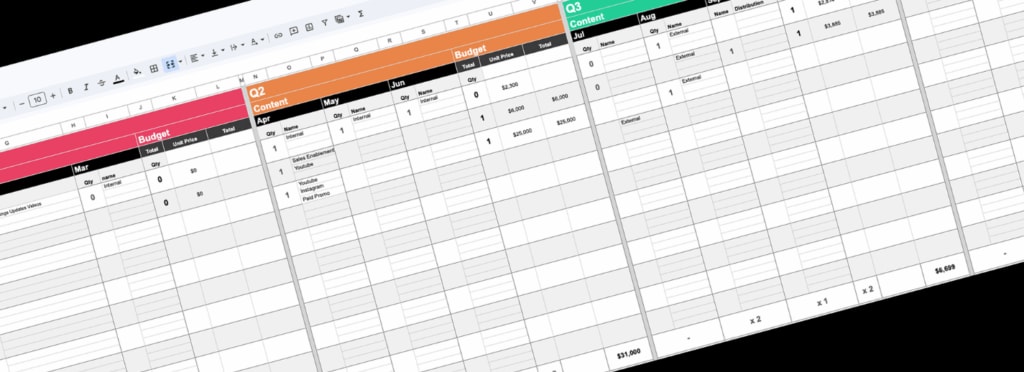
The urgency in video creation doesn’t lie in choosing a treatment or format upfront. It lies in ensuring the message is comprehensible and meaningful to the target audience. Too often, teams jump straight into execution, expecting a certain format to solve everything. That approach leads to wasted resources and missed opportunities.
As I mentioned in the introduction, we can come up with countless interesting formats and treatments we see online, through competitor feeds, social media, or even artists and influencer content. The problem is that those formats are engaging only because they serve a distinct purpose. The real reason you were willing to watch them in the first place lies in the actual story and messaging being told.
Too often, clients start by saying they need a video – for a conference, a booth, an email newsletter, or even training programs. Then they head down the rabbit hole of researching (sometimes with the help of AI) what formats and visuals they can consider. This quickly becomes a long list of options with no specific rationale to support them, leaving the final decision to production cost and available budget.
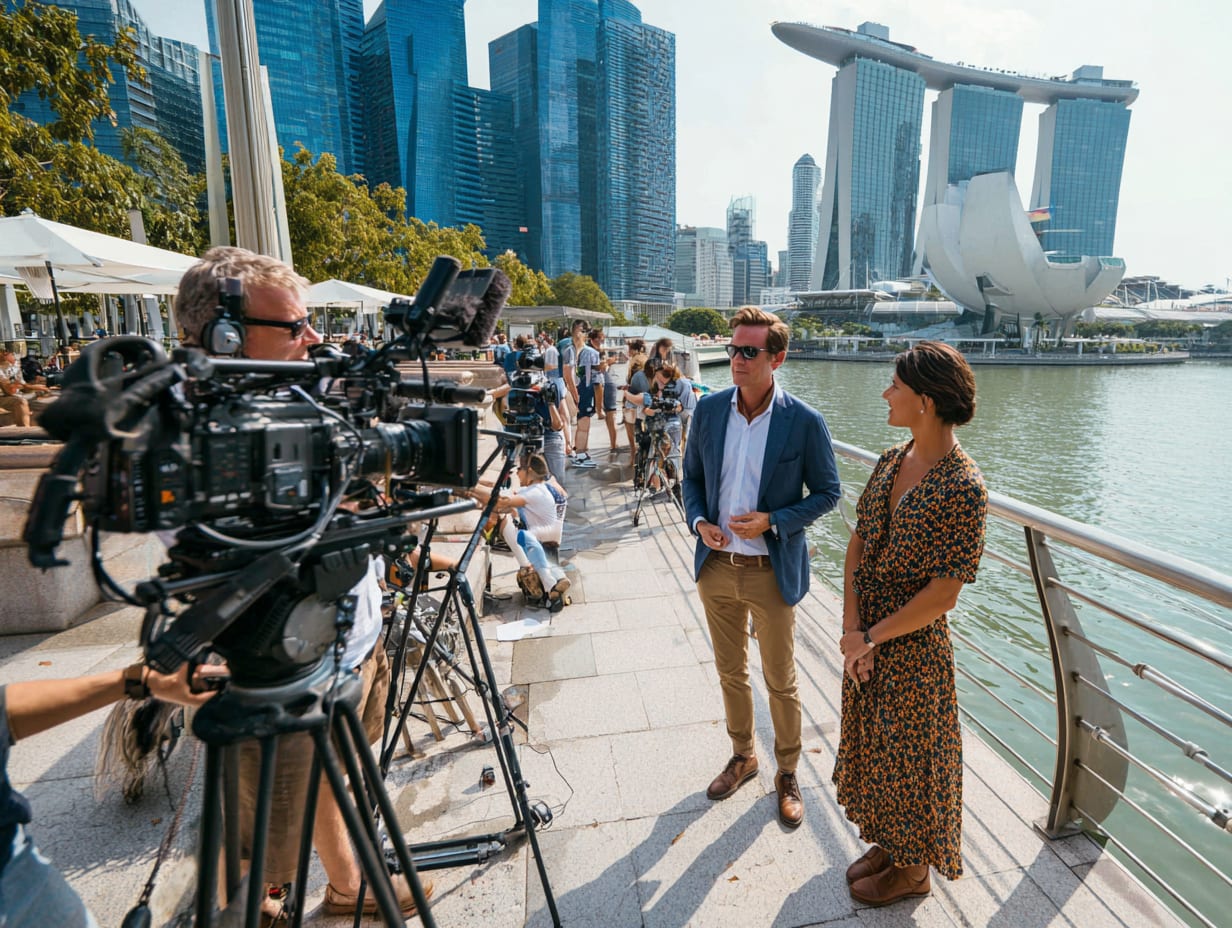
Instead, if we begin with objectives and a content plan for the year or quarter, we’re starting with real marketing direction and purpose. For example, we once needed to produce a talking‑head video featuring two senior managers discussing a business unit’s latest launch. The team was eager to try something different and spent a lot of time exploring creative formats: making the speakers move, adding a screen, role‑playing, and crafting a specific narrative to make the usual format “pop.”
When they came to us with the brief, the format wasn’t impractical, but beyond being fun, it didn’t strongly reflect the messaging or the objective. While it might have performed well on social, we stripped it back to focus on what needed to be told, to whom, and how to keep the audience engaged across both online and offline distribution.
Our recommendation focused on editing tactics such as zoom cuts, dynamic motion graphics, split screens, and varied camera angles to make the narrative more engaging yet succinct. These choices did not diminish the authority or authentic thought leadership of the speakers, as they were filmed in a comfortable setting where they could perform naturally, without worrying about coordinating additional on‑site elements, interacting with green screens, or memorizing scripts.
This allowed them to be themselves while still being shot professionally and efficiently. As a result, audiences were captivated when the videos were shown at the conference – a setting where it is often nearly impossible to get people to stop and watch a screen. Some even described the piece as atomic, leaving the team satisfied with the final product without having to strain themselves by reinventing the wheel.
It should always be strategy first
What you need isn’t just people who can produce video, freelancers or local agencies who deliver footage. You need people who speak video : professionals who can translate your message so that audiences outside your industry understand it clearly. Strategy ensures that every creative choice is justified, consistent, and aligned with your business goals.

Therefore, what we often see at 90 Seconds is that clients succeed when they start with a skeleton, a script outline or keywords that form the backbone of a narrative. This approach helps streamline the production workflow by ensuring the foundation of the video has been reviewed, finalized to some extent, and approved by internal teams before we begin building from there. It reduces the need for drastic changes later, which can be very difficult and time‑consuming down the road.
From there, we can suggest the right footage (b‑roll, newly shot, stock or AI-gen), based on a storyboard or shot list. We can also select music to amplify tone and mood, and apply edits such as graphics, transitions, motion, or animation to adapt the video for different channels.
This process helps define the most effective format to deliver impact using the assets we already have, rather than starting purely from imagination and visualization. When those ideas are later translated into reality for executives, they often reveal missing elements that require further development and, frankly, more cost to coordinate.
Unlike a typical agency, which may begin with creative development and the ‘big idea,’ we differentiate ourselves by putting actionable next steps front and center that are clear and easy to adopt. At 90 Seconds, we already offer formats such as customer stories, fireside chats, and mixed‑media edits, just to name a few, productized as public inventory on our platform.
This approach opens the conversation to different ways of consolidating deliverables, rather than locking into a specific creative treatment from day one. Otherwise, teams risk realizing too late that they don’t have enough footage to edit further, or they get stuck at version seven without knowing how to move forward because the treatment has constrained them from the start.
Remember that the video is not actually for you
Beyond your audiences, let’s not forget stakeholder feedback. A video is really a work in progress, refined through multiple lenses. The only way to keep it consistent and defensible is to anchor its creative decision in strategy from the very beginning.
That strategic clarity is also what makes speed possible when it matters. For example, when PayPal needed to move quickly on a nationwide campaign, 90 Seconds was able to respond with pace and confidence. Within just 48 hours of reaching out, PayPal received a comprehensive quote and then the final product shortly after, an impressive turnaround that relied on clear strategic direction. Our nationwide contacts and deep local knowledge proved invaluable in navigating the challenges of a large-scale rollout, while keeping decisions aligned to the core message and goals.
Allowing enough time to gather feedback is crucial. At 90 Seconds, we pride ourselves on moving as fast as the client moves, but the truth is that many videos could be even stronger if there were more time for internal approvals. Ensuring everyone is aligned and satisfied with the final product leads to greater support and wider sharing. That’s when you see the most impact, because even those not directly involved in the project feel proud of the video and want to use it as a reference for future initiatives.
That is why a clear video strategy unlocks tangible advantages:
• Kickoff: Seamless alignment between client goals and creator teams.
• Planning: Structured workflows that reduce confusion and delays.
• Shooting: Efficient execution with clarity on deliverables.
• Editing: Purposeful creative choices that match audience needs.
• Debrief: Transparent review processes that ensure accountability and refinement.
With all that said, we pride ourselves on providing end‑to‑end services that cater to these needs. Don’t get hung up on the creative, the format, or just the execution. What you need is a trusted partner who can align everything with a clear video strategy. That’s how you unlock real impact.
Ready to tackle video the right way in 2026? Get in touch today.

90 Seconds
Content Team